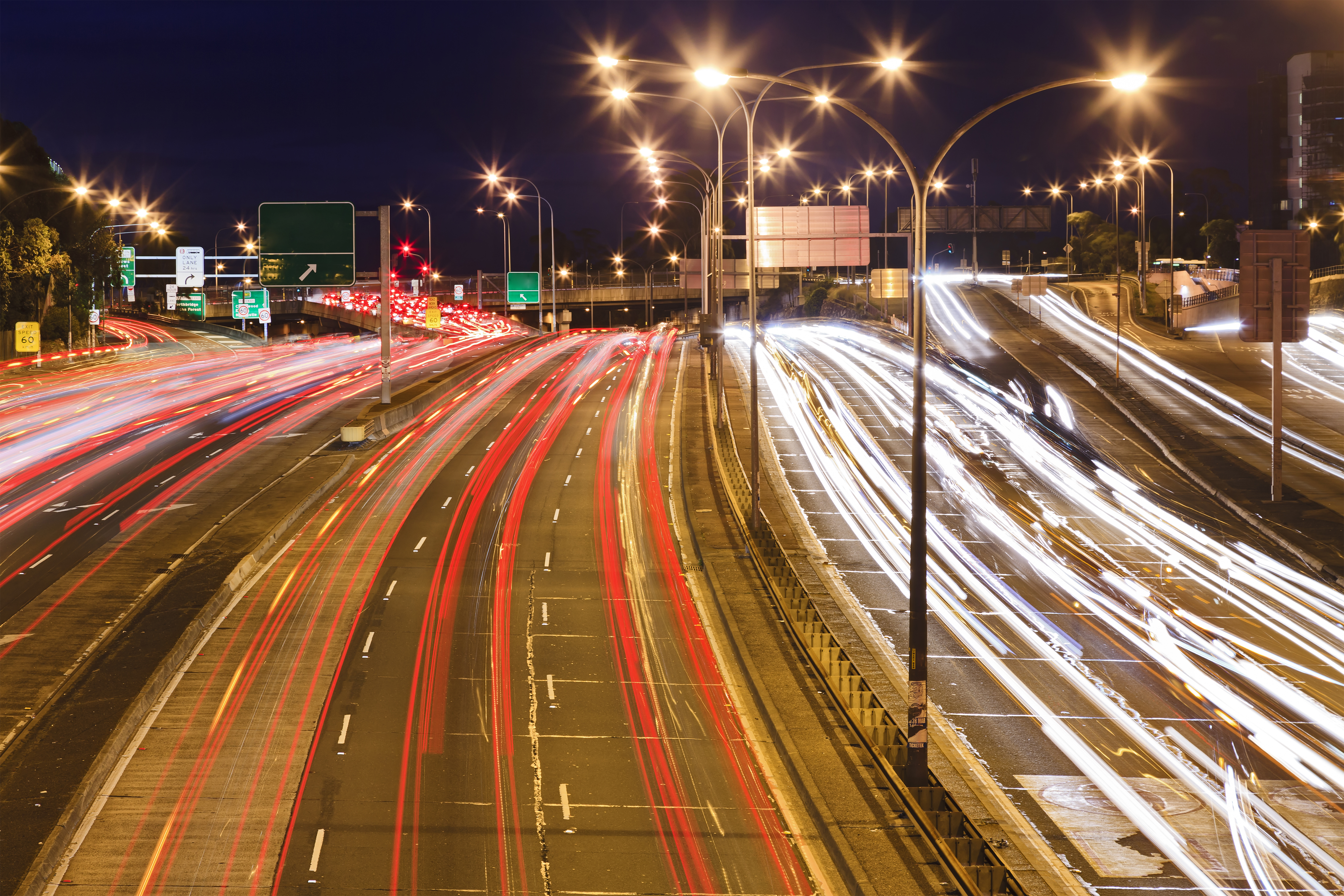
Data in the driver's seat
Road freight alone is worth an estimated $76.9 billion in 2026, with steady ~4% annual growth forecast through 2031. Fuel remains the biggest cost pressure, typically 25–35% of running costs, but the sector's toughest challenge is now people: with ~185,000 drivers and a median age near 48, retirements are outpacing new entrants, giving reliable operators negotiating leverage. Zero and low-emissions transition is gathering pace, driven by the National Electric Vehicle Strategy, Driving the Nation Program, electrified last-mile fleets, and pressure to track and report carbon footprint.
Transport and logistics, and the critical infrastructure underpinning it, from ports to intermodal terminals, remains one of the essential engines of the national economy.
Across freight, ports, distribution and specialist transport insurance, the ecosystem runs on shared data: customers', manufacturers' and suppliers' systems all needing to talk to each other in real time.
AI has moved from experimentation to day-to-day operations, powering predictive route optimisation, digital control towers and warehouse automation that offsets workforce shortages, while fleet insurers increasingly use telematics data to reprice risk, with well-instrumented fleets cutting claims by 20–30% or more. Reforms to critical infrastructure security law are also extending cyber and supply-chain obligations to ports and their suppliers, even as shifting trade routes push operators to diversify beyond single corridors. All of this raises the stakes on data governance, cyber security and interoperability.









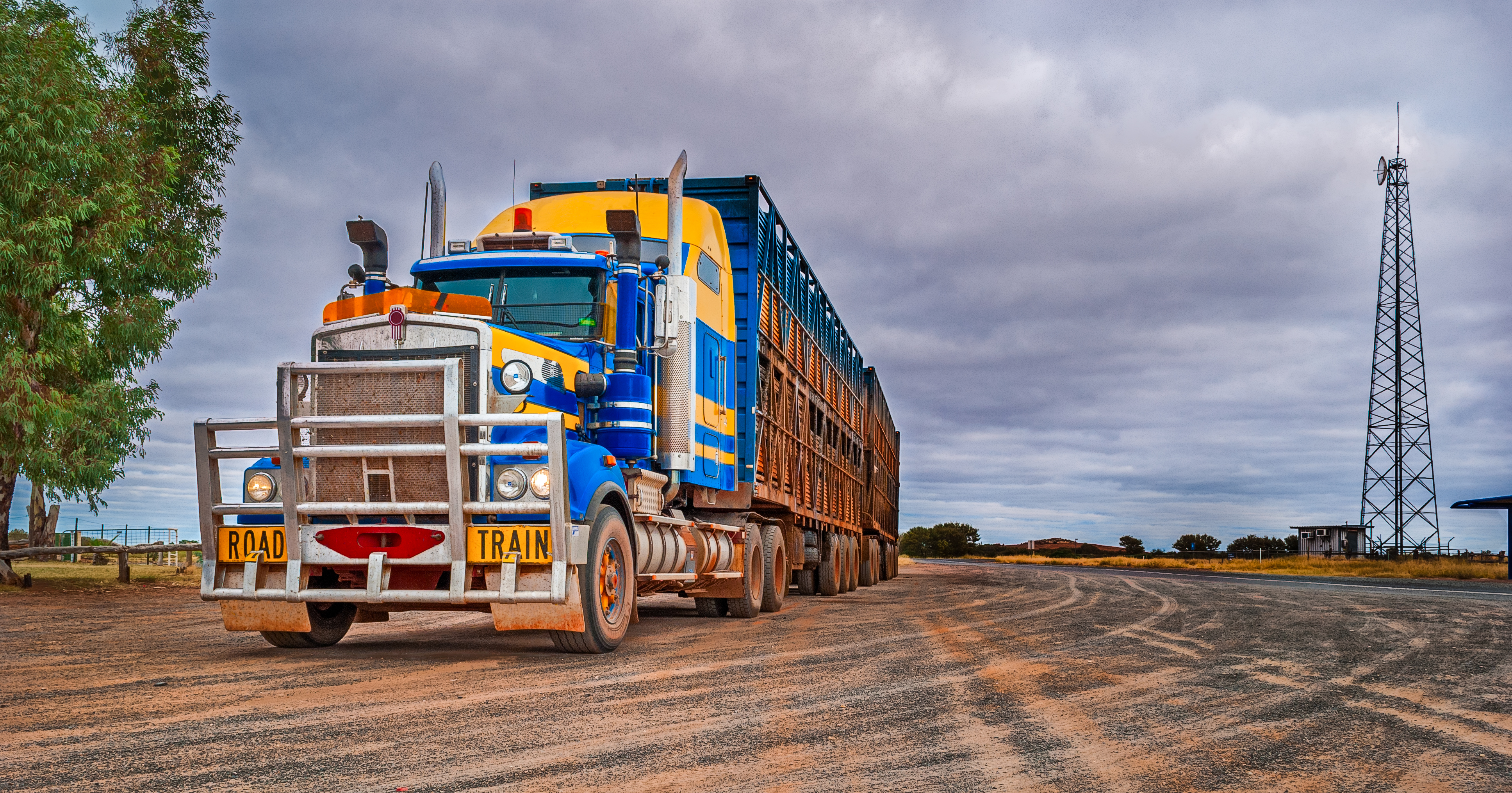

Insuret Core Insurance Platform
Business-critical systems for progressive peer-2-peer and fleet vehicle insurance
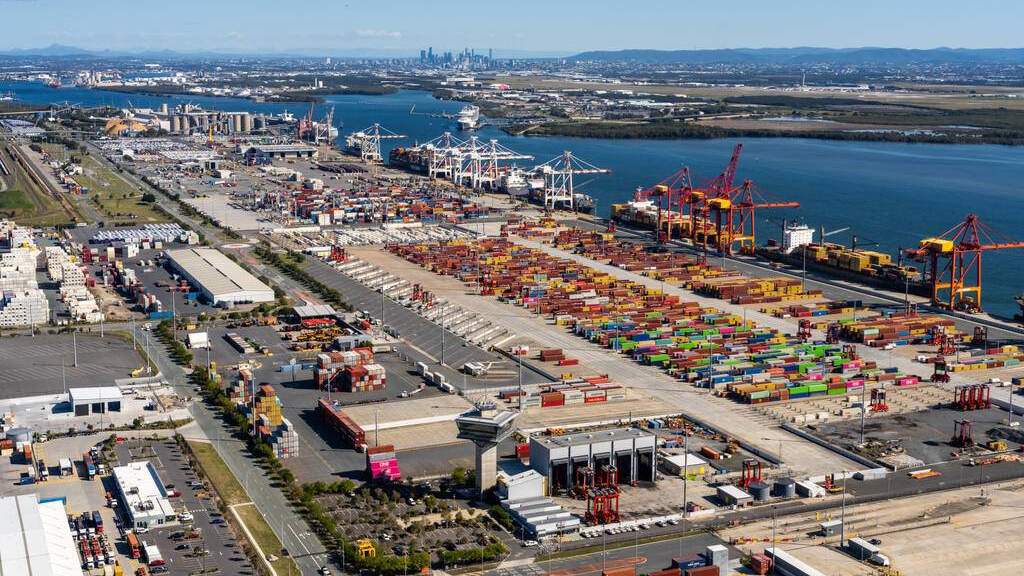
ERP Transformation: Secure Data Migration
The Port of Brisbane is a cornerstone of the Queensland economy – one of Australia’s fastest growing container ports and the state’s largest multi-cargo port.

National Transport Insurance
Keeping Australia’s leading transport insurer at the forefront of the industry
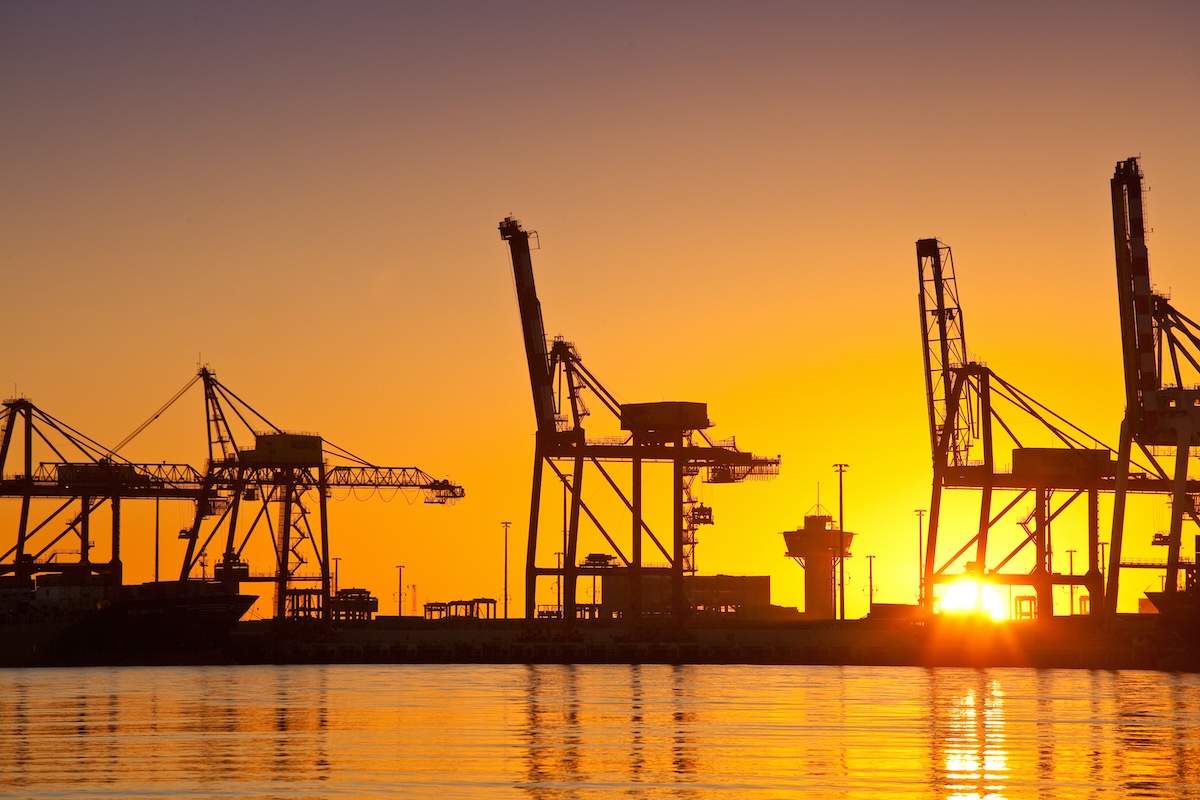
Port of Brisbane
The Port of Brisbane is a cornerstone of the Queensland economy – one of Australia’s fastest growing container ports and the state’s largest multi-cargo port.